

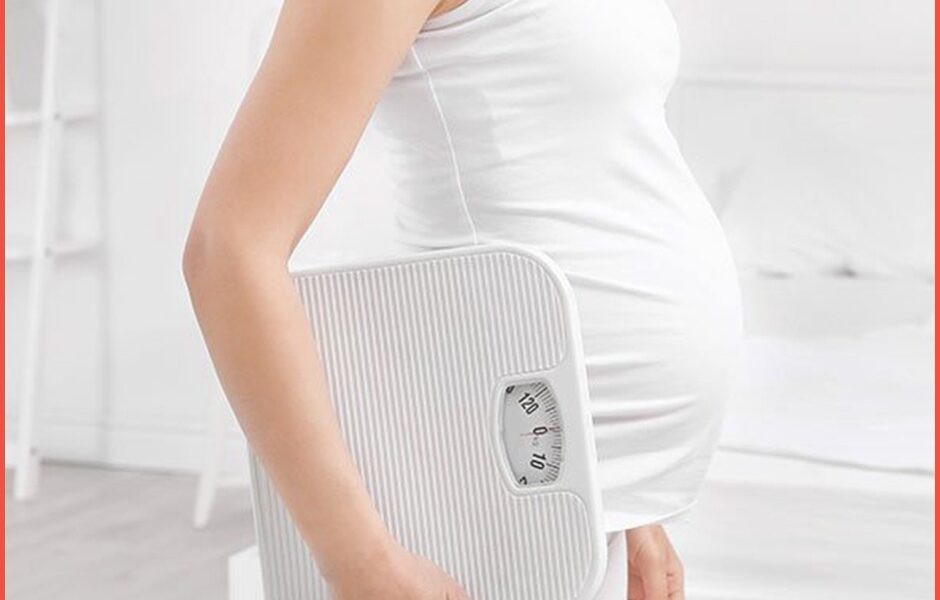
As your baby develops, you will steadily gain weight. Gaining less or more weight than advised can have health implications for you and your baby. Too much weight gain doubles the risk of gestational diabetes.
What is normal weight gain in pregnancy?
How much weight you obtain depends on how much you weighed before your pregnancy.
To determine how much you should obtain, first work out your pre-pregnancy body mass index (BMI). The formula for calculating BMI is:
Your pre-pregnancy weight (in kilograms) is divided by the square of your height (in meters).
You can use the health direct BMI calculator to work out your pre-pregnancy BMI.
If you were over the healthy weight range, you should gain less. If you are under the sound weight range, you should gain more.
Your weight gain can also be influenced by:
- Carrying twins
- Having morning sickness
- Why am I gaining weight?
- You will put on weight because:
- Your breasts grow larger
- Your uterus grows bigger
- There is amniotic fluid around the baby
- The placenta grows larger
- Your body creates extra blood and fluid
What are the difficulties with obtaining too much weight?
Your weight gain will be noted throughout your pregnancy. If you gain more than 16kg, you and your baby could be at higher danger of complexities such as:
- Gestational Diabetes
- Hypertension
- Caesarean Section
- Having A Large Baby (macrosomia)
- Stillbirth
Babies born to moms who put on too much weight are more prone to develop overweight and obesity in later life, develop more health difficulties, and be born with heart disorder (especially if you smoke as well).
Managing your weight gain
- Eating a healthy, nutritious diet that includes fresh fruit and vegetables, wholegrain bread and cereals, legumes, lean meat, fish, and low-fat dairy products
- avoiding fatty and sugary foods and drinks
- getting some regular moderate exercise
- Make certain you know which foods are trustworthy to eat throughout your pregnancy.
How much more food should I eat?
It’s important to eat well when you’re pregnant to provide your baby with a healthy start. You’ll apparently notice you don’t need to consume too many extra kilojoules in the first 3 months. It’s best to sum that extra kilojoules by healthy food. This includes fresh fruit and vegetables, wholegrain bread and cereals, legumes, lean meat, fish, and low-fat dairy products. Morning illness can make you dehydrated, so talk to your physician or health professional if you’re not holding adequate fluids.
How much should I exercise?
Unless your doctor recommends differently, you can start or continue with regular exercise when you’re pregnant as long as you modify your activity to befit your stage of pregnancy. About 30 minutes each day of pregnancy exercises walking and swimming will help.
Aqua aerobics, swimming, walking, and pregnancy exercises are good choices. They will help prevent you from putting on extra weight, decrease your uncertainty of gestational diabetes, and get you fitter so you can cope with labor better.