

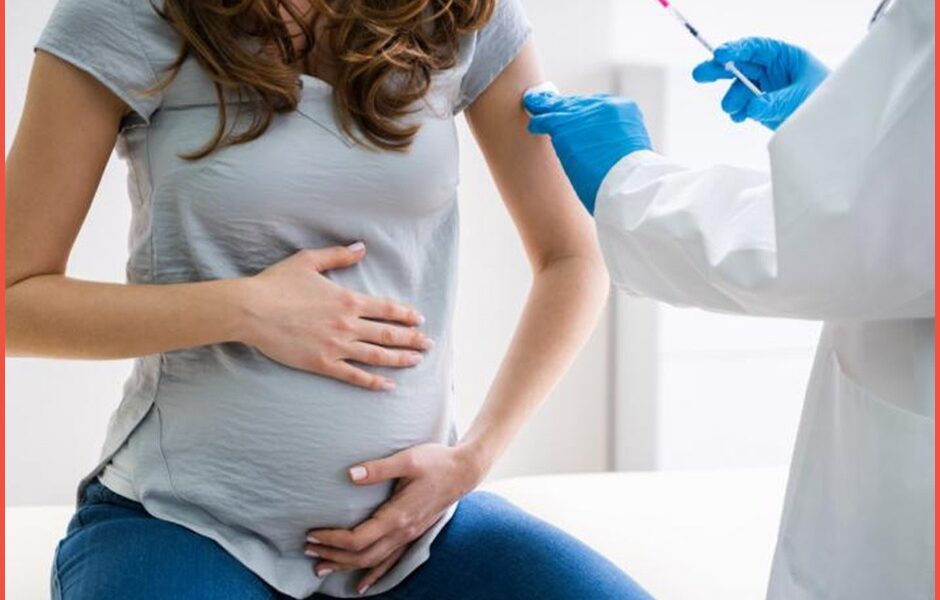
A pregnant woman should get vaccinated against whooping cough and flu during every pregnancy to defend herself and her baby, with immunity for the first few months of life.
Did you know a child gets immunity from mom during pregnancy? This immunity can guard a baby against some diseases during the first few months of life, but immunity fades over time.
Get a whooping cough vaccine and a flu shot while each pregnancy.
Moms get a whooping cough vaccine (also termed Tdap) and a flu shot during each pregnancy.
Whooping cough
Whooping cough, known as pertussis, can be dangerous for anyone, but it can be deadly for a newborn.
• About 7 in 10 deaths from whooping cough are among babies younger than 2 months old. These babies are too young to be protected by their vaccination. The chances the baby might get a whooping cough is while they are young, the more likely they will need to be treated in a hospital.
• It may be hard to know if a baby has whooping cough because many babies with this illness don’t cough at all.
Alternatively, it can cause them to stop breathing and become blue.
When a pregnant woman gets a whooping cough vaccine during her pregnancy, her body will generate protective immunizers and pass some of them to the baby before birth. These immunizers will provide the baby with some short-term, advanced protection against whooping cough.
Flu
Pregnant women are more prone to possess a critical illness from flu, probably due to changes in immune, heart, and lung functions through pregnancy. Get a flu shot during pregnancy through flu season—it’s the best way for a pregnant woman to preserve against the flu and defend the baby for several months after birth from flu-related complexities. Get a flu shot anytime through every pregnancy.
CDC advises getting a flu vaccine by the end of October despite flu seasons altering in their timing from season to season. This timing benefits to protect a pregnant woman before flu activity begins to grow.
Other vaccines
Some women may require additional vaccines before, during, or after they become pregnant. If a pregnant woman works in a lab or is traveling to a country where she may be exposed to meningococcal disease, her doctor may recommend meningococcal vaccination.
• Hepatitis B: A baby whose mother has hepatitis B is at the highest risk for becoming infected with hepatitis B during delivery. Mothers, speak to your healthcare professional about getting examined for hepatitis B and whether or not one should get vaccinated.
• Hepatitis A: For pregnant women who have a history of chronic liver disease, doctors or healthcare professionals may recommend the hepatitis A vaccine.
• Vaccines for travel: Pregnant women planning international travel should talk to their doctor or healthcare professional at least 4 to 6 weeks before their trip to discuss any special precautions or necessary vaccines.
Vaccines after childbirth
Healthcare experts may suggest some women receive certain vaccines immediately after giving birth. Postpartum shots will help protect moms from getting ill, and they will pass some immunizers to the infant through breastmilk if they can breastfeed. Vaccination after pregnancy becomes crucially important if moms did not receive certain vaccines before or during pregnancy.
Nevertheless, mothers won’t get shielding immunizers quickly if they wait to get vaccinated until after birth. The reason behind this is that it takes about two weeks after getting immunized before the body produces antibodies.
The baby will also start to get his or her vaccines to defend against serious childhood diseases.