

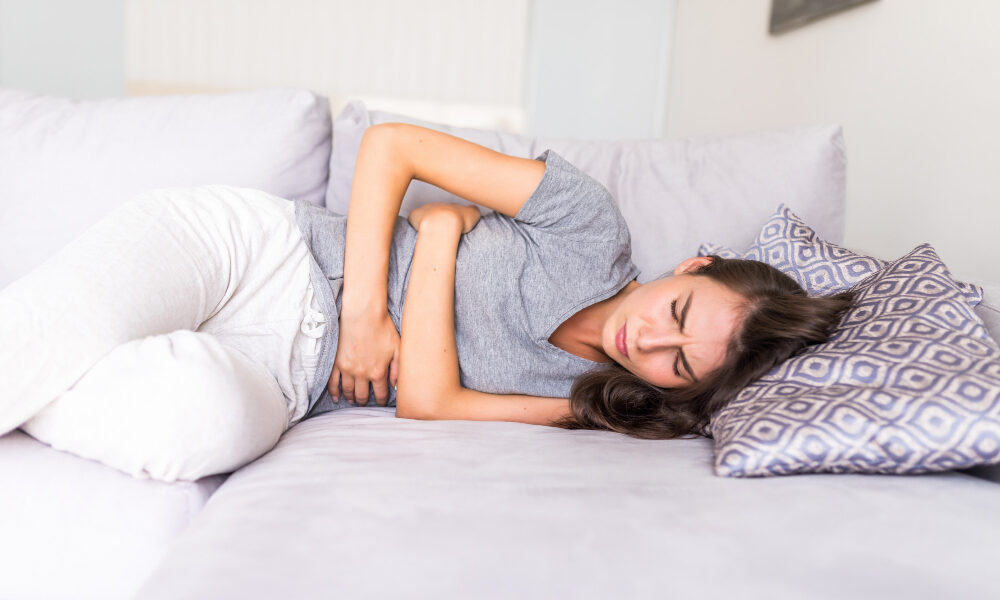
Many women have to deal with heavy bleeding when they are younger. However, that doesn’t mean it should be considered something normal. This experience can actually be both uncomfortable and very exhausting which is why you need proper gynecological guidance to ensure you remain comfortable throughout your entire period. We believe the most important thing is to have enough pads and tampons so we suggest that you change it at least every 3 hours (although changing them regularly helps) to not get any kind of irritation or skin problems since this may eventually lead you to feel dizzy or even faint. We also want each woman to know they shouldn’t use more than 21 tampons or pads every period!
Heavy menstrual bleeding occurs when a woman’s period requires changing a pad or tampon more frequently than every two hours. It’s important to address what this implies for you with your gynecologist when you visit.
Adolescents’ Heavy Menstrual Bleeding Causes
Anovulatory cycles are the most typical cause of severe menstrual bleeding in teenagers. The absence of ovulation and varied lengths of menstrual intervals are characteristics of the anovulatory cycle. Infertility will result if ovulation does not occur.
Heavy menstrual bleeding might also result from:
Endocrine: hypothyroidism, polycystic ovarian syndrome, and anovulatory (PCOS).
Haematological: thrombocytopenia, von Willebrand disease, and other bleeding disorders.
Medication: anticoagulants and hormonal birth control.
Other: gastrointestinal bleeding, trauma, infection, cancer, structural reasons (uncommon in youth).
It’s important to keep in mind that in the first few years following menarche, menstrual periods are frequently erratic and anovulatory (the first period). Therefore, schedule a visit with your gynecologist as soon as possible if heavy and anovulatory bleeding occurs during this period, but don’t worry too much.
Heavy Menstrual Bleeding Examinations
Usually, an adolescent should be examined for excessive menstrual flow. However, if a senior clinician is needed, they will check vital signs for tachycardia or hypotension (low blood pressure) (increased heart rate). Pallor, petechiae (brown or purple blotches), and bruises on the skin will be looked for. The patient will be examined for secondary symptoms of the polycystic ovarian syndrome, such as acne, excessive body or facial hair, or weight gain, as well as soreness or excess pelvic mass in the abdominal region.
Investigations may consist of:
- FBE (full blood examination)
- Antibody and blood group screening for severe bleeding
- Ferritin
- TSH Coagulation Screen (thyroid stimulating hormone blood test)
- Blood or urine ßhCG (with consent)
- If bleeding is accompanied by pain or a palpable lump, consider a pelvic ultrasound.
Heavy Menstrual Bleeding Treatments
With the help of a doctor’s assurance, non-hormonal therapies, and observations, mild bleeding with a normal haemoglobin level can be controlled. However, bleeding that occurs during pregnancy and bleeding problems need greater attention, possibly in the form of hormonal therapy to help the endometrium. Teenagers with severe episodes of profuse monthly bleeding may need IV access, a fluid bolus and resuscitation, tranexamic acid, a high dosage of norethisterone, iron infusion, or packed red blood cell transfusion (TPBC). Treatment plans can call for inpatient observation.
Contact Dr. Deepali Nirawane
Make an appointment with your local gynaecologist/obstetrician Dr Deepali Nirawane if you or your adolescent experiences heavier-than-normal monthly blood to make sure the problem is not serious.