

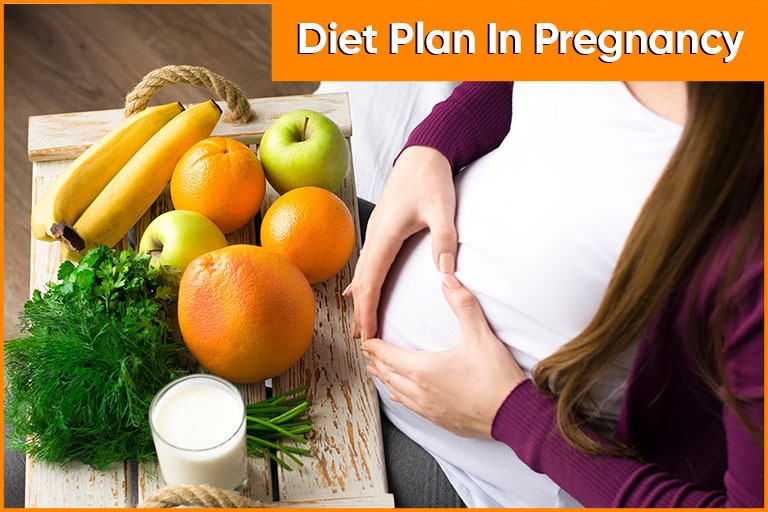
A healthy diet is essential for both the mother and the developing fetus during pregnancy. Eating a well-balanced diet can provide the necessary nutrients to support the growth and development of the baby while also helping the mother to maintain her health.
A pregnancy diet should include a variety of nutrient-dense foods, including:
Fruits and vegetables:
These foods are high in vitamins and minerals, such as folic acid, vitamin C, and potassium, which are important for the developing baby.
Protein:
Protein is important for growth and development and can be found in foods such as lean meats, fish, eggs, and legumes.
Whole grains:
Whole grains, such as oats, quinoa, and whole wheat, provide important nutrients such as fiber, B vitamins, and iron.
Dairy products:
Milk, cheese, and yogurt are good sources of calcium, which is important for the development of the baby’s bones.
Healthy fats:
Foods such as avocados, nuts, seeds, and fatty fish contain healthy fats that are important for the development of the baby’s brain and eyes.
A pregnant woman should also limit their intake of certain foods as they can be harmful to the developing baby, including alcohol, caffeine, raw or undercooked meats, fish that is high in mercury, fish that contain high levels of mercury, and certain types of cheeses.
It is also important to pay attention to portion sizes, as excessive weight gain during pregnancy can lead to health complications. Women should consume enough calories to support the baby’s growth and development but should avoid overeating.
During pregnancy, it is also important to stay well hydrated. Drinking enough water helps with digestion and prevents constipation, it also can help prevent infections and premature labor.
Pregnant women should also consult with their healthcare provider or a registered dietitian for personalized advice on nutrition during pregnancy. It is important to note that every woman’s nutritional needs during pregnancy can vary, so it is important to get personalized nutrition recommendations based on individual needs and conditions.
In conclusion, a healthy diet during pregnancy is essential for both the mother and the developing fetus. Eating a well-balanced diet that includes a variety of nutrient-dense foods, while avoiding certain foods that can be harmful, can help to ensure a healthy pregnancy. Consultation with a healthcare professional or a registered dietitian is recommended to ensure adequate nutrient intake and to help plan a diet that meets the unique needs of each woman and her baby.