

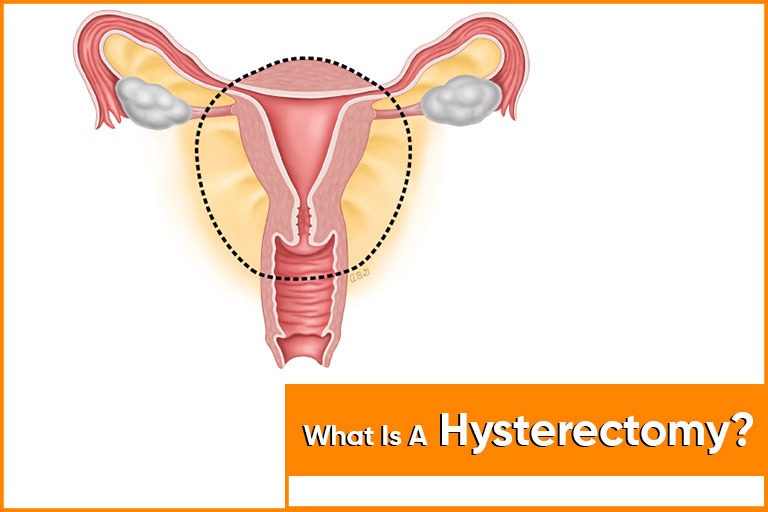
A hysterectomy is a surgical procedure to remove a woman’s uterus, usually for medical reasons. The procedure can also involve removing the ovaries, and other reproductive organs. Hysterectomies are a major surgery and can have serious medical and psychological impacts on women, so it is important to understand what is involved in the procedure and the potential risks and benefits.
A hysterectomy is typically recommended to treat conditions such as uterine fibroids, endometriosis, uterine prolapse, and cancer.
The most common reason for a hysterectomy is to treat uterine cancer, uterine fibroids, or endometriosis. It can also be done to treat chronic pelvic pain, heavy and/or irregular bleeding, or prolapse. In some cases, hysterectomies are done to reduce the risk of developing certain cancers in the future.
There are several types of hysterectomies, including total hysterectomy, which removes the entire uterus and cervix; subtotal hysterectomy, which leaves the cervix intact; radical hysterectomy, which removes the uterus, cervix, ovaries, and nearby lymph nodes; and supracervical hysterectomy, which removes the upper part of the uterus while leaving the cervix intact.
The exact type of hysterectomy performed depends on the specific medical condition, as well as the patient’s individual preferences. There are three main types of hysterectomy:
Total hysterectomy: The uterus and cervix are both removed.
Partial or subtotal hysterectomy: The uterus is removed, but the cervix is left in place.
Radical hysterectomy: The uterus, cervix, surrounding tissue, and sometimes the upper part of the vagina are removed.
In some cases, a hysterectomy may be recommended as a preventive measure to reduce the risk of developing certain types of cancer. In other cases, the procedure may be combined with a procedure to remove the ovaries, known as an oophorectomy.
Hysterectomies can be done via an abdominal incision, a vaginal incision, laparoscopy, or robotic-assisted laparoscopy. Depending on the type of hysterectomy, the procedure can take anywhere from a few hours to a few days.
The potential risks and benefits of hysterectomy depend on the individual and their particular medical condition. It’s important to talk to your doctor about the potential risks and benefits of the procedure before making a decision.
In general, a hysterectomy can have serious physical and psychological impacts. For example, it can affect a woman’s ability to have children, her hormone levels, her sexual functioning, and her overall quality of life.
It can also increase the risk of certain complications, such as infection and blood clots. On the other hand, a hysterectomy can provide relief from certain conditions, such as endometriosis, uterine fibroids, and uterine cancer. It can also reduce the risk of developing certain cancers in the future.
The recovery period after a hysterectomy depends on the type of procedure performed and the patient’s general health. Most women can expect to stay in the hospital for 1-2 days after the procedure, and it can take up to six weeks for complete recovery.
Although a hysterectomy is a major surgical procedure, it is typically safe and effective. It’s important to talk to your doctor to make sure that a hysterectomy is the right decision for you, discuss the potential risks and benefits of a hysterectomy with your doctor before making a decision. If it is, your doctor will give you all the information you need to make an informed decision about the procedure.