

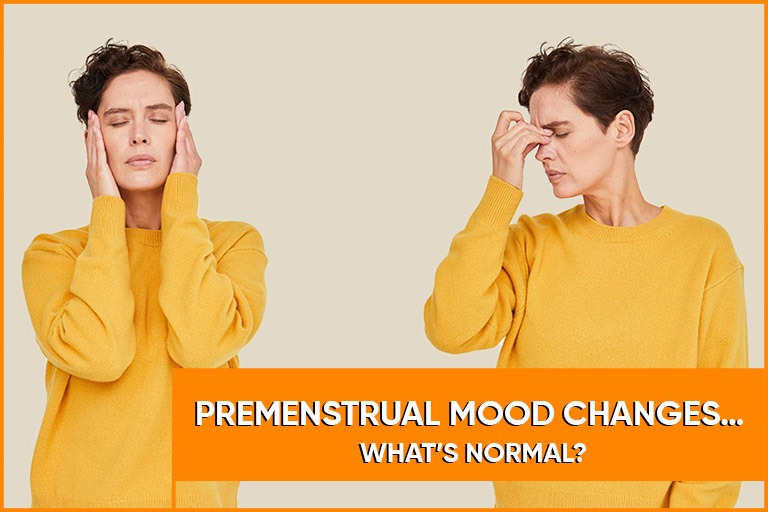
Premenstrual mood changes are a common and normal part of the menstrual cycle for many women. All women experience some level of changes in mood before their menstrual period. For some women, these changes can be mild and barely noticeable. For others, these changes may be more severe and can have a significant impact on their daily lives.
It’s normal to experience a wide range of emotions and feelings before and during your period. And it’s important to recognize that there’s no “normal” when it comes to premenstrual mood changes.
Emotional changes during your menstrual cycle are caused by fluctuating hormone levels. It’s often referred to as premenstrual syndrome (PMS). Symptoms of PMS can include mood swings, irritability, anxiety, depression, and anger. You may also experience physical symptoms such as fatigue, bloating, and cramps.
It’s important to understand that everyone experiences premenstrual mood changes differently. Some women may experience more intense symptoms than others. It’s also important to note that premenstrual mood changes can affect relationships and your daily life.
So what can you do to manage premenstrual mood changes? Here are some tips:
1. Track your moods: Keeping a journal or diary of your premenstrual moods can help you better understand how your body and emotions are affected. This can help you identify the types of activities or lifestyle changes that can help you better manage your symptoms.
2. Exercise regularly: Regular exercise can help reduce stress and improve your overall mood. It can also help reduce physical symptoms.
3. Eat a balanced diet: Eating a balanced diet can help reduce premenstrual symptoms. Eating light and avoiding processed foods can help.
4. Get plenty of rest: Getting enough sleep can help reduce stress and improve your mood.
5. Practice relaxation techniques: Practicing relaxation techniques such as yoga, meditation, or deep breathing can help reduce stress and improve your overall mood.
6. Talk to your doctor: If you’re feeling overwhelmed by premenstrual mood changes, talk to your doctor. They may be able to recommend lifestyle changes or medications that can help.
Avoiding caffeine and alcohol can all help to reduce the severity of premenstrual mood changes This will help you to better manage them and make lifestyle changes if necessary.
Remember, premenstrual mood changes are normal. It’s important to understand your body and emotions, and to make changes that can help you better manage your symptoms.
If you find that your premenstrual mood changes are having a significant impact on your daily life, it is important to talk to your doctor. They will be able to help you to develop a plan to manage your symptoms and ensure that you have the support that you need.
Premenstrual mood changes are a normal part of the menstrual cycle for many women. With the right strategies and support, it is possible to manage premenstrual mood changes and ensure that they do not have a negative impact on your life.