

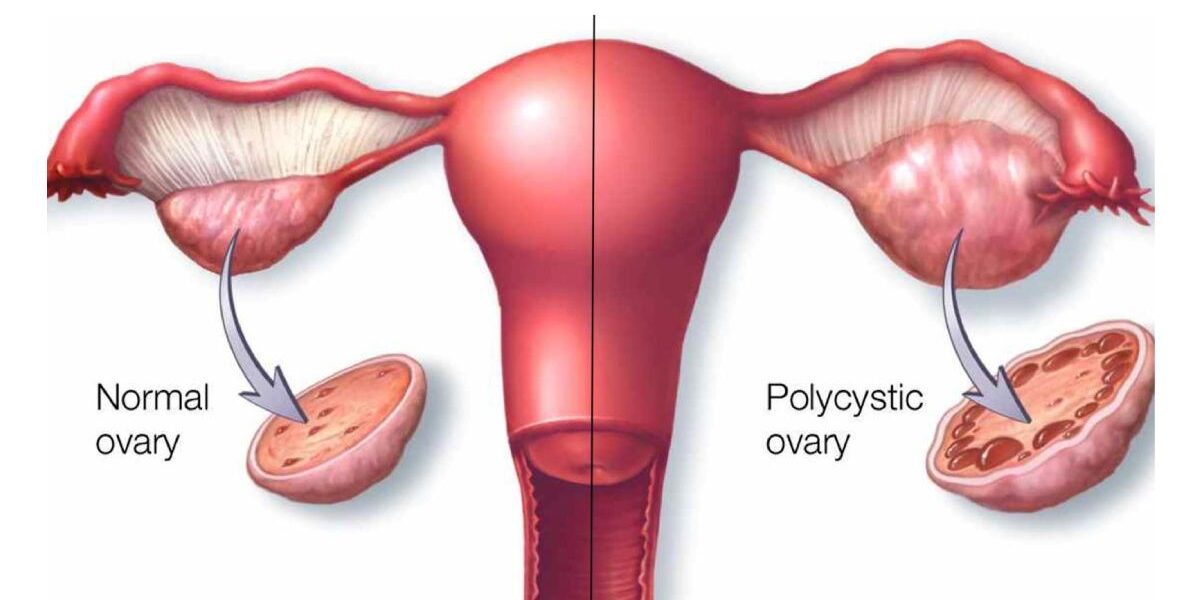
It is a metabolic disorder characterised mostly by hormonal imbalance and insulin resistance. These have an effect on women’s general health. The health issues listed below should be attended to if you have PCOS.
PCOS And Common Health Issues
Diabetes and PCOS
PCOS includes insulin resistance as a significant factor. The majority of PCOS sufferers will eventually develop diabetes or prediabetes (glucose intolerance). During pregnancy, many women may have gestational diabetes.
PCOS and High Blood pressure
Obesity is a metabolic disorder in PCOS-afflicted women. As a result, they could have excessive blood pressure. This thus creates a new risk factor for heart attacks brought on by ischemic heart disease.
High cholesterol/lipids and PCOS
In addition to insulin resistance, obesity and metabolic disorders also raise cholesterol. This raises the risk of ischemic heart disease and stroke even more.
Sleep Apnea and PCOS
Sleep disturbances are common in PCOS and obese women. During sleep, the tongue reclines and blocks the airway. This causes brief breathing pauses and interferes with sleep. Additionally, it may cause exhaustion, fatigue, and difficulties concentrating. Over time, sleep apnea can exacerbate diabetes and heart disease.
Depression and Anxiety and their relation with PCOS
Among women with PCOS, anxiety and depression are prevalent. Due to hirsutism and acne, young women in particular may experience severe challenges with their body image. Young females frequently skip school or college because they are self-conscious about their appearance. Their conduct and personality may be affected for a long time by this.
PCOS and Endometrial cancer
Women with PCOS have unopposed estrogen and lack of progesterone due to the ovulation issues. This then is an important risk factor for developing endometrial cancer. Many women present with the abnormal heavy flow especially after 40 and a DNC will reveal endometrial hyperplasia i.e. increased growth of endometrium in the absence of progesterone.
Prevention is preferable to treatment. PCOS cannot be prevented, but it can be managed. The first step is to manage your weight.
A healthy lifestyle, a balanced diet, and regular exercise can help manage PCOS symptoms and potentially improve the outcomes of medical care.