

What is menopause?
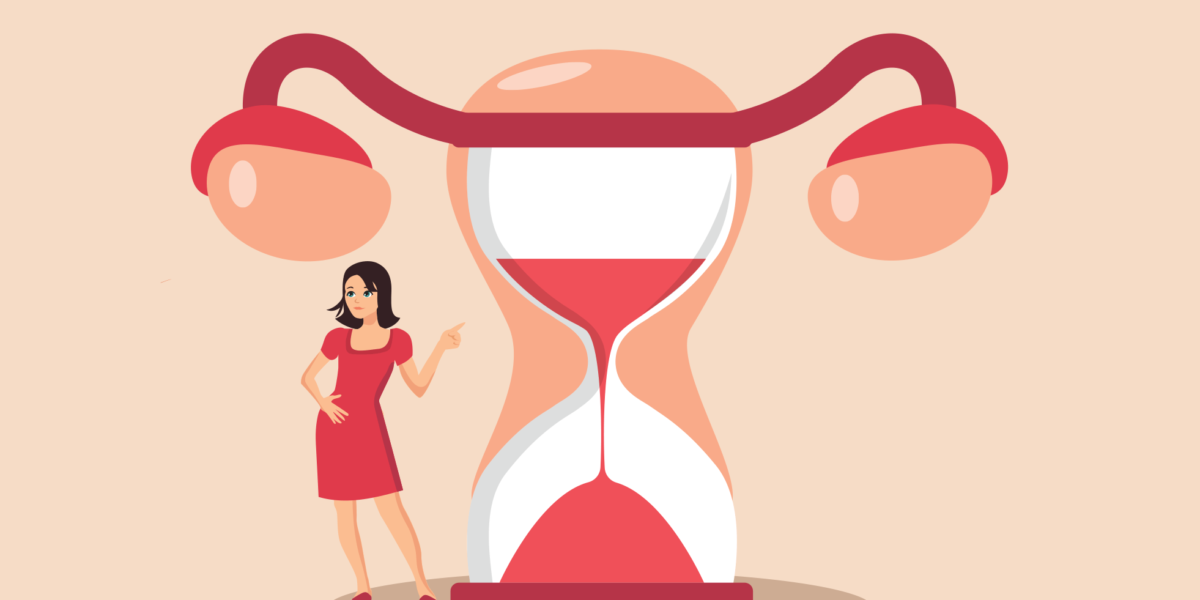
Menopause is the time in life when menstrual cycles permanently cease. This marks the natural depletion of ovarian oocytes from ageing. The average age of menopause is 51 years, and it signifies the end of fertility permanently. You have reached menopause when after the woman has missed menses for 12 consecutive months
What are the symptoms of menopause?
Menopause affects every woman differently, but common symptoms include:
- Menstrual cycle changes
- Hot flushes or night sweats
- Problems sleeping (insomnia) and/or lower energy levels.
- Joint or Muscle pain.
- Vaginal and urinary symptoms
- Mood swings
What causes menopause?
Natural menopause
Menopause occurs naturally when a woman’s ovaries no longer produce eggs, and its symptoms are caused by a decrease in the hormone oestrogen levels. In the lead-up to natural menopause, hormone levels might fluctuate from high to low.
Early menopause
Early menopause can occur due to:
- medical procedures, such as chemotherapy or radiotherapy for cancer, that prevent the ovaries from producing eggs
- surgery to remove a woman’s ovaries, such as in the case of ovarian cancer or breast cancer prevention or treatment
- surgery to remove the uterus in some cases
- primary ovarian insufficiency
- some unknown cause — for 6 in 10 women with early menopause, the cause is unknown
- Six in ten women who experience early menopause have unknown causes
How is menopause treated?
Most women can deal with moderate menopause symptoms without any medication. If you feel you need therapy for menopausal symptoms seeks medical counsel to determine the best course of action.
Prescribed treatments
Oestrogen, progesterone, and sometimes testosterone are replaced as part of menopausal hormone treatment (MHT), often known as hormone replacement therapy. Hot flashes, sweats, mood swings, irritability, insomnia, joint aches, and vaginal dryness can all be effectively treated with it.
The most recent and thorough studies of MHT demonstrate that many healthy women can use it for years without adverse effects to control menopausal symptoms, but it’s crucial to first speak with your doctor to determine whether MHT is appropriate for you. Take the lowest effective dose of MHT for only as long as necessary if you decide to start it, and periodically discuss with your doctor whether to continue treatment.
MHT is not appropriate if you have a history of oestrogen-dependent cancer, such as breast or uterine cancer.
Other conditions that rule out MHT include:
- undiagnosed vaginal bleeding
- untreated thickening of the uterine lining
- unmanaged high blood pressure
- current thrombosis or conditions that increase your risk of blood clots
- coronary heart disease, stroke or dementia
Complementary treatments
In order to control menopause symptoms including hot flashes and night sweats, many women choose non-hormonal treatments. Among these choices are:
- herbal medicines include red clover and black cohosh as well as plant-based oestrogens, for example, in soy
- hypnotherapy
- cognitive behaviour treatment
- mindfulness therapy
- acupuncture and traditional Chinese medicine
Drug-free remedies for a dry vagina include the use of lubricants, oils, vaginal moisturisers, or black cohosh.
It’s crucial to consult a doctor before initiating any treatment, including herbal remedies. Some treatments might be pricy and untested, or they might interact with other therapies.
Living with menopause
Avoiding caffeine, alcohol, and spicy meals to lessen hot flushes,
regular exercise, as this will assist with feelings of low mood, and clothing in layers that can be readily removed are some lifestyle adjustments that can help with menopause symptoms.